Even if you feel the used car dealership is too good, the seller is pushing for a quick deal without mentioning its complete history. Buyers hurried to make a better deal but later found it was a stolen car. Then buyers have to return the vehicle without expecting a refund. Here’s the complete guide to knowing how stolen car check impact used car purchase.
When buying from a dealership covers your rights through consumer legislation, purchasing from a private seller is a significant risk because you never know if your chosen vehicle is stolen. It is illegal to sell a car, but it turns out risky when you don’t give enough time to know its history. Thus, a stolen car check is helpful to avoid such types of risks.
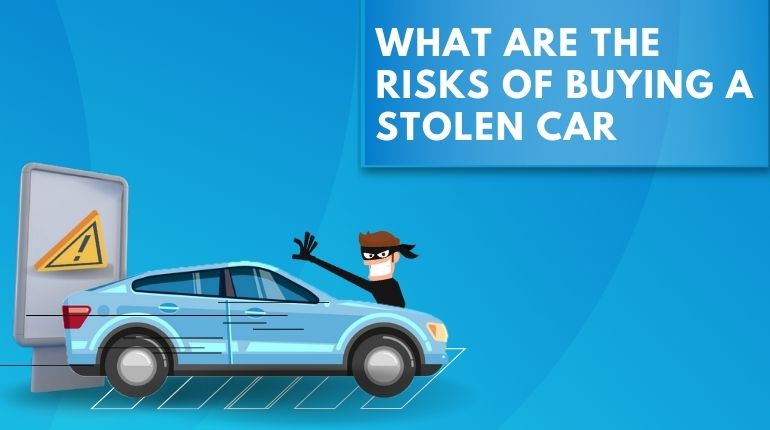
Risks of buying a stolen car:
Buying a stolen car carries various risks and potential negative consequences. Here are some of the important key risks involved:
- Legal Consequences: Purchasing a stolen car is illegal in most jurisdictions. Imagine you are caught with something of a stolen vehicle. In that case, you may face criminal charges, such as possession of stolen property or related to the trafficking of stolen goods. These charges can lead to fines, penalties, and potential imprisonment.
- Financial Loss: When you buy a stolen car, you risk losing the money you paid. If law enforcement discovers that the vehicle is stolen, they can confiscate it as part of their investigation, and you may not be able to recover the money you spent. You could also face additional expenses if you need legal representation to defend yourself in court.
- Vehicle Recovery: If the stolen car is identified and reported to the authorities, it may be recovered and returned to its rightful owner. In this case, you would lose both the car and the money you spent on it.
- Voided Insurance: Insuring a stolen car is unlikely to be possible. If you unknowingly purchase a stolen vehicle and attempt to get insurance coverage, the insurance company will likely deny your claim once they discover the car’s stolen status. This leaves you vulnerable to financial loss in case of accidents, damages, or theft.
- Safety Concerns: Stolen cars may have altered or tampered identification numbers (VINs), counterfeit or missing parts, or undisclosed mechanical issues. These factors can compromise the safety and reliability of the vehicle, potentially putting you and others at risk while driving.
- Difficulty with Resale: If you unknowingly buy a stolen car and later decide to sell it, you may encounter problems. Prospective buyers will likely conduct their own due diligence and may discover the vehicle is stolen. This could make selling the car difficult and leave you with a depreciated asset.
It is important to take steps to reduce these hazards to exercise caution when buying a used vehicle. Conduct thorough research, obtain the vehicle’s history report, verify the ownership documents, and ensure the transaction takes place securely and legally. If you suspect a car may be stolen, it’s best to report your suspicions to the appropriate authorities rather than proceed with the purchase.
What if I purchased a stolen vehicle without knowing it?
According to stats in the UK, a car is stolen every 5 minutes, making buying a used car challenging. And Range Rover Sport is ranking first in the UK most stolen cars, and keyless entry theft has now risen to 93%. It is essential to secure your vehicle & to save pounds from the purchase of a used car.
If you accidentally purchased the stolen car, then either your vehicle will be seized from you, or you might end up facing legal issues. Your car and the money invested in the car are gone. You must convince the police that the purchase of a used car is genuine.
If you plan to recover your money, you have to win the judgment against the seller; it’s pretty impossible. You have only the least chance that the insurer will provide a claim. It is why you should conduct a stolen car check before buying a used vehicle.
How can I identify a stolen car?
- Ask to see the original document of the logbook-style V5C registration document to ensure it bears the DVLA’s watermark.
- Verify that the vehicle’s license plate and Vehicle Identification Number (VIN) correspond to what is listed in the logbook.
- Never purchase a vehicle without a logbook. This method of selling stolen vehicles is common, with the vendor claiming that the vehicle has been sent to the DVLA for updating. Although it might be the case, there is no way to verify it, so don’t take a chance.
- Verify that the seller’s logbook address corresponds to their license or utility bill.
Run a police stolen car check to ensure whether the car you’re going to purchase is stolen or not.
What are the steps followed during a stolen car check?
To determine whether a car is stolen, Caranalytics refers to the Police National Database and other resources. The license plate number is all we need to complete this. To mention a few of the checks we’ll perform, our car theft checks include a logbook verification check, live car tax check, MOT check, and check to see if the vehicle is insured.
How can I guard against purchasing a stolen vehicle?
The most straightforward approach to avoid unintentionally purchasing a stolen vehicle is to buy a number plate check. The VIN check may reveal hidden dangers like past accidents or prior theft, even if the car has a clear title. This should be a constant component of your used-car-buying process, as we highly recommend it.
Which automobile brand is most frequently stolen in the UK?
According to DVLA data, the Ford Fiesta, which will shortly be retired, was stolen 5,724 times in the UK in 2022. With 5,209 thefts, the Land Rover Range Rover came in second, and the Ford Focus, another Ford model, finished in third with 2,048 thefts.
How does a stolen car come to the market?
There are certain scenarios where burglars effectively bring the stolen cars into the market without letting them know about their history. Here are three scenarios where buyers turn into a victim.
- The car is stolen and is put for sale before the owner knows about the stealing. Usually, it happens when the owner is out of the city, and the thief is aware of their absence.
- The car was stolen some time ago and is reported to the Police. This car is then offered for sale. You can avoid this risk when you enquire about the vehicle history with the UK police database & confirm if the car is anywhere marked as stolen.
- The thief has changed the identity of the vehicle by swapping its number plate, falsifying the registration card, or changing the VIN. Avoid this risk when you take the report online, where it should reveal the VIN, make, model & color. Match these details with the logbook & walk away from the deal if you find any discrepancies.
Also Read: How to avoid buying a used car with outstanding finance?
Protect yourself from doing the following things:
There are chances where most of the buyers fail to notice, thinking the seller is genuine and reputable. But, it might not go as planned. So, keep remember when you ought to buy.
It is wise to check the vehicle at the address of the registered keeper. Ask for the V5C registration document (logbook), and ensure the DVLA watermark is there.
- Match the VIN/chassis numbers on the car with those written on the logbook. Moreover, use the stolen car check report and tally it with details on the DVLA. Never buy a vehicle without its logbook.
- It is your responsibility to do a market search on the make and model you want to purchase. If the seller is offering you a vehicle, You must set the price lower than the going rate to be alert. No seller wants to lose money on his or her deal.
- If the seller is asking for cash, stay away from the agreement. In case you pay cash and find out about the stolen vehicle later, you won’t have any proof of the purchase you have made.
- Invest in a stolen car check or free vehicle history check (if that offers the information you need) for your peace of mind. Car Analytics lets you know about the date of theft & police contact information, if available.
What would it happen if the at-fault party of my car accident was driving a stolen car?
Conclusion
It occurs for the buyers who even carry out the complete inspection metrics and follow the mechanic guides. But still, some buyers are shopping for the car by simply trusting their dealer. It is not advisable and ensures you prepare with the checklist to check while buying a used car.
Ensure your chosen vehicle is genuine without any potential risks (stolen, financed, damaged or clocked). Later, proceed with the payment process & don’t forget to do the transfer of ownership procedure.