A car’s vehicle identification number (VIN) is its distinctive code, encompassing information about its unique attributes, specifications, and maker. This VIN proves valuable for monitoring recalls, registrations, warranty claims, thefts, and insurance coverage. Here check in this blog whether we can find VIN for free or not.
Whether you are purchasing a used car, tracking down your vehicle’s VIN, or simply seeking essential information about a vehicle, this article will guide you through quick and efficient methods to obtain a VIN from a registration number.
What is the “VIN” number?
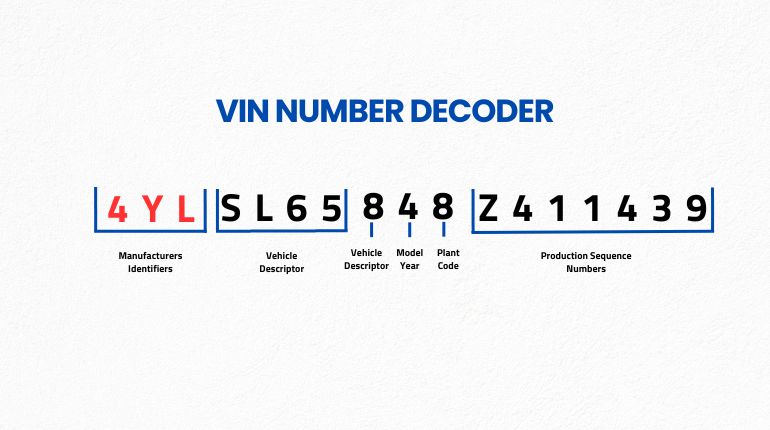
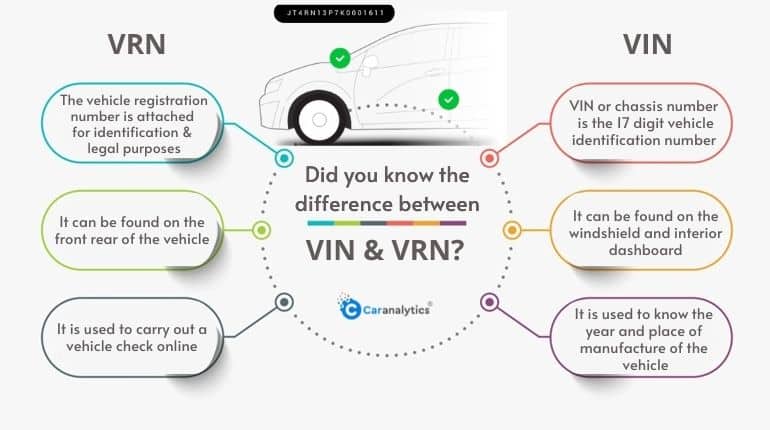
VIN represents Vehicle Identification Number, a 17-digit identifying serial number containing letters and numbers. It can also be called an engine, chassis, or identification number. Vehicles built before 1981 might have VIN of varying lengths, usually up to 11 to 17 characters.
What can you get with a VIN lookup?
The VIN is divided into three segments. The initial segment designates the country and car manufacturer. The second segment describes the vehicle. The third segment serves as the vehicle’s distinct identifier. Car manufacturers utilize the VIN to initiate safety recalls for vehicles.
Our VIN lookup service provides comprehensive vehicle information, including the model, year, country, factory of manufacture, make and model and serial number. You can learn more about VIN lookup and what information you can get about the owner of the vehicle in this article.
Why is it important to check VIN numbers?
Checking the VINs is vital in making informed decisions when buying, selling, or insuring a vehicle, ensuring you have accurate and reliable information about its history and condition.
If you encounter any inconsistencies when verifying the VIN, it indicates potential concerns regarding the car. In such instances, it is advisable to reconsider the purchase and walk away from the sale.
To know more about the importance of VIN or Chassis number read this blog.
How can I find my car VIN number?
Finding a vehicle’s VIN is quite simple.
Online vehicle history services are your go-to solution for retrieving VINs from registration numbers.
Performing a car history check from Car Analytics is the easiest way to track the last five digits of VIN under our basic checks offered for just £1.99, unlike other services that need to pay at least £10. Still doubts? Check the sample of our reports before choosing your next purchase.
Advantages of checking the vin from Online Vehicle History Services
- Accuracy: Online databases maintain reliable and up-to-date information, ensuring the VIN you receive is accurate.
- Comprehensive Reports: These services often provide detailed reports about the vehicle’s history, helping you make informed decisions.
Where on the vehicle will I find the VIN?
Here are a few places to trace the VIN on the vehicle before you buy the pre-owned car.
- Check under the bonnet for a VIN plate (Usually black or blue, as shown below).
- The second place is likely under the windscreen.
- You can also locate a sticker on the vehicle’s door mentioning the VIN.
- Find the VIN on your chosen vehicle’s service book. Nowadays, with new cars, service logs are digitally saved. Hence, you can enquire directly about the online service records from the seller.
- The other simplest way is to find the number on a V5C logbook (picture below)
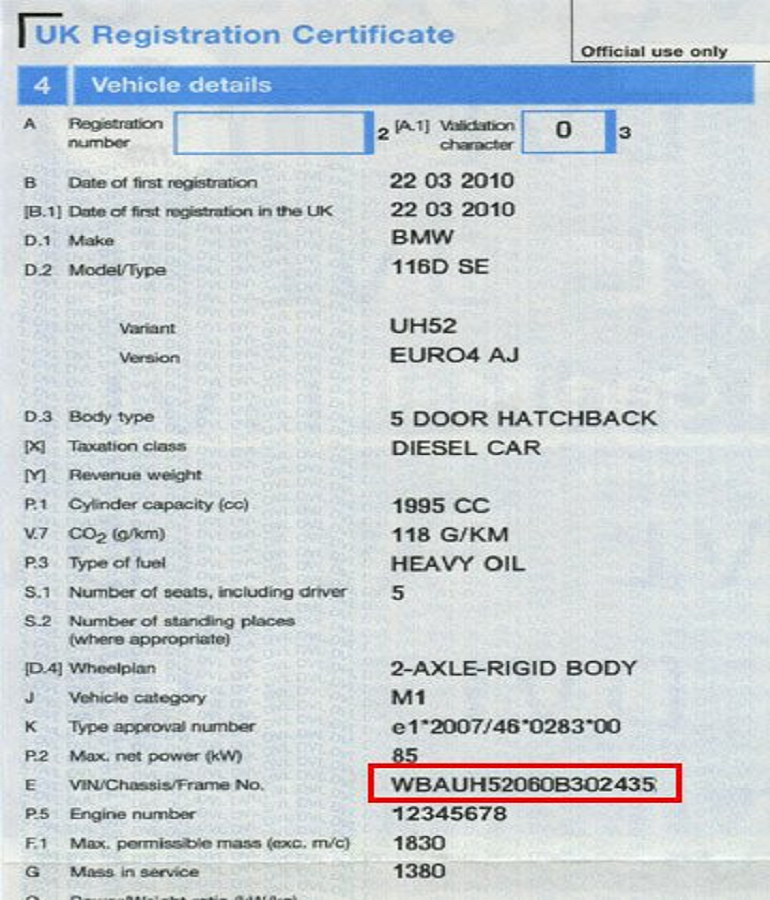
These are places where you can quickly locate the VIN, so check out while taking the manual inspection. In case you find any changes in the VIN, then it is better to walk away from the deal.
Can I check VIN for free in the UK?
No, You cannot check a vehicle’s VIN for free in the UK. As VIN is part of paid information and you can avail at £1.99 . Car Analytics only provides the last 5 digits of the VIN.
While this service does not provide a full VIN check, it does offer valuable information about a vehicle’s history.
Are you looking for a free VIN number check in the UK?
Strictly No, as you can get the Car Analytics reports only through the registration number.
Can anyone clone a VIN?
Yes. It starts with a stolen car. The vehicle is then “cloned”; the VIN plate fitted by the manufacturer is pried off and replaced with a different one. This second VIN plate has a valid number that originates from a car of the same make and model in another region.
How do I find out if my VIN is real?
Most vehicle check providers will likely reveal the car history through the registration and Vehicle Identification numbers. Specifically, it is necessary to check the unique vehicle VIN to identify the stolen vehicle.
Nowadays, the number of stolen vehicles is immensely increasing, and you never know which car has a hidden past. What would happen if your chosen vehicle was already a stolen one? Knowing if the car’s VIN is genuine before you decide on your investment is a must. You can follow a few tricks to tell the vehicle is genuine.
- The old model of scamming the number by altering 1 to 4 still exists. So, be cautious when you check the VIN in the vehicle’s bonnet. The possibility of cloned VIN is relatively high.
- Sometimes, VIN has been removed; it’s a sign not to buy the vehicle. Confront the seller about the issues; leave the deal if you don’t find the reason valid.
- There are chances of legally changing the VIN for specific reasons like accidents or misfortunes. The destroyed VIN won’t be used on a new vehicle. But this scenario is quite rare.
- Please find out the VIN from the registration plate in the UK, as it displays the last five digits from full check reports. It should match the documents that the seller offers. If any number is missing, then it is a red flag.
Our premium checks help you find if the vehicle’s VIN is cloned by revealing the last five-digit numbers. Consider this check before negotiating the car price and avoid the stress later.
Conclusion:
In summary, understanding the VIN, verifying its authenticity, and being aware of potential issues such as cloning are vital steps in ensuring a smooth and secure vehicle transaction. It’s a small investment that can save you from major headaches, helping you make informed choices when buying or selling a car.