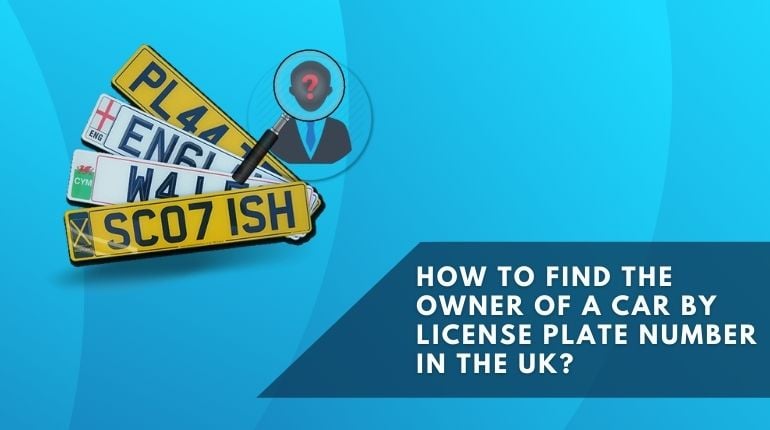
While it is possible to get the dvla car owner check by registration number, the process is not easy. The reason is the law; the UK government needs to protect the privacy of individuals. However, you can locate the registered owner of a car if you have a valid reason, such as:
- Discovering the driver involved in a hit-and-run case
- Finding the registered keeper of a dumped car
- Locating owner of a car parked on a private property
- Send out parking ticket or trespass charge notices
- Locating owner speculated of insurance fraud and so on.
But you may ask, isn’t Car Analytics’ car number plate check provide vehicle owners details? Let’s find out.
Is Our Vehicle Check Offer the Owner Details?
Unfortunately, no. No car data check provider in the UK, not even the HPI Check, gives you the registered keeper’s details or whereabouts. You can, however, request the DVLA (we will explain the procedure later) to find the owner of a car.
What information our car check offers about the owner of a car?
Our car check gives you the number of keepers of a particular vehicle. We legally cannot provide particulars of any DVLA vehicle owner. Our car owner check by reg number provides:
- the date when the former owner sold the car
- the date when the former keeper bought the car
- the number of previous keepers as per the logbook
- city/country/state where the vehicle was registered with DVLA
- the vehicle ages
At just £9.95, our comprehensive car check not only offers the above-mentioned details, but you will also get to know if the vehicle has any outstanding finance, involved in an accident, was stolen, and so much more. It is also essential to check the insurance status before buying a car. Get your report now!
How to find the owner of a car by reg number?
As stated earlier, you need to apply to the DVLA for the name and the address of the owner.
- If you are an individual, fill form V888.
- If you are a firm that issues parking or trespass allegation warnings – fill form V888/3.
Not involved in the issuance of parking or trespass warnings and you need details of a vehicle on a particular date, you may:
- inquire for the name and address details of the owner of a car -fill form V888/2A
- ask for any other information about a vehicle (for instance, insurers’ information) – fill form V888/2B.
The information on how you can pay and where to forward the filled form is available in every way.
Please bear in mind, to apply to the DVLA, you must be a previous owner of the car in question, or you must meet the valid reason criteria we mentioned at the start. The logical reason conditions are vast. Therefore, how you want to use this information will decide the fate of your application. Get all the details provided by the DVLA here.
Other than DVLA, you can get the previous car owner details from the logbook and service records. The registration document tells the current and previous keeper’s details so ensure you check the V5 before deciding.
How do I verify the owner of a vehicle by the license plate number?
You have to contact the DVLA to find the name and address of the previous owner. If you’re an individual, you will fill out a V888 form; if you’re a firm, you’ll fill out a V888/3 form.