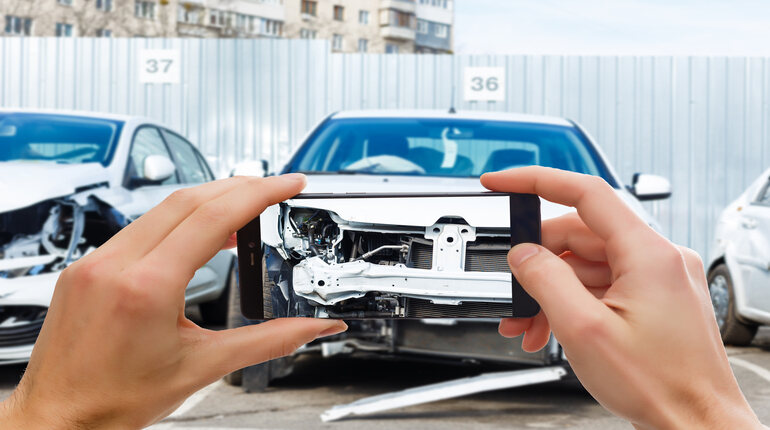
When a car is no longer safe or practical, it becomes a scrapped car and must be destroyed by a licensed car scrap yard. Notifying DVLA of scrapped car status is a legal step to avoid fines and future ownership issues.
Sadly, some scrapped cars re-enter the market, often mixed with vehicles written off by insurers.
These cars can be unsafe, carry hidden damage, and pose serious risks to public safety.
You can only confirm a scrap status by running a complete vehicle history check, including a dedicated car scrap check.
DVLA rules on when a car is declared as scrapped
A car is classed as a scrapped car when it is permanently removed from the road and cannot be legally repaired for use again.
The DVLA marks a vehicle as scrapped once it has been dismantled or destroyed by a licensed car scrap yard or car breakers known as an Authorised Treatment Facility (ATF).
Scrapping is usually the result of severe damage, high repair costs, or the car reaching the end of its usable life.
Once DVLA updates the record, the scrapped car should never appear for sale or be returned to the road. Parts may be removed and reused, but the ATF must de-pollute the vehicle and destroy its identity to comply with End-of-Life Vehicle (ELV) regulations.
The DVLA relies on the Certificate of Destruction from an ATF before updating the vehicle’s scrap status.
If you fail to notify DVLA of scrapped your car, you could face a fine of up to £1,000. It is also illegal for an ATF to resell a vehicle for road use once it has been officially marked as scrapped.
How to confirm a car has been scrapped in the uk
The DVLA provides free tools for checking a vehicle’s tax and MOT status, but these do not display a clear “scrapped” status.
If the DVLA has recorded a car as scrapped, it may simply disappear from their active database, showing “vehicle details not found”, which is not a guaranteed scrap confirmation.
The most reliable method is running a DVLA scrap car check with CarAnalytics to quickly show if the DVLA has marked the vehicle as scrapped.
For just £0.99 you can check over 80 data scrap status, number plate changes, export and import markers, SMMT spec, dimensions, engine data and even a car valuation and more. Check CarAnalytics Price & Product.
Look for the Certificate of Destruction (CoD), which proves the vehicle was dismantled at an Authorised Treatment Facility.
If the seller cannot provide a CoD, treat it as a warning sign and verify the details before buying.
Some buyers also check with the car scrap yard or car breakers that handled the vehicle to confirm it was processed legally.
For vans, the process is the same, you can check a scrapping van record through the same vehicle history check methods.
If the vehicle isn’t scrapped but is listed as written off, you can check our insurance write-off category guide to understand everything about car write-off’s.
What to do if your car has been scrapped
If you find that a vehicle you purchased is recorded as a scrapped car, act quickly to confirm the details and protect yourself from legal or financial loss.
Contact the DVLA to verify the scrap record and request a copy of the Certificate of Destruction (CoD). You can do this by calling DVLA vehicle enquiries on 0300 790 6802
If you bought the car recently, speak to the seller or dealer with proof from the DVLA. You may have grounds for a refund or compensation if the scrap status was not disclosed.
Never attempt to insure or drive a scrapped car, it is unsafe and illegal to use on public roads.
If you are the vehicle’s current owner and want to dispose of it, you must declare the vehicle scrapped and follow the correct process for notifying DVLA of scrapped car status. This ensures you avoid fines and end your legal responsibility for the vehicle.
How to notify dvla you’ve scrapped your car
Once your vehicle has been scrapped at a licensed car scrap yard, you must inform the DVLA to end your legal responsibility.
Online method (recommended – free)
- Visit the DVLA’s official website (open 7 am–7 pm daily).
Provide:
- Vehicle registration number
- ATF name and address
- Date of scrapping
Confirmation usually arrives within two weeks.
By post
- Complete the V5C section (Section 4 after April 2019, Section 9 before April 2019) and send it to: DVLA, Swansea, SA99 1BA.
- Allow up to four weeks for confirmation.
If you’ve lost your V5C (No worries)
- Write to DVLA with your details, vehicle details, ATF details, and scrapping date.
- They may request extra proof before updating records.
What happens after you notify dvla
Once you’ve told the DVLA your car has been scrapped, they will update their records and send you a confirmation letter. This proves you are no longer the registered keeper.
If you had road tax remaining, the DVLA will automatically issue a refund for any full months left. You don’t need to apply separately, the refund is sent to the address on your V5C.
Your insurance should also be cancelled once you’ve informed your provider. Any refund will depend on your policy terms, so check with your insurer directly.
The Authorised Treatment Facility (ATF) will handle the environmental disposal of your vehicle, ensuring it meets UK recycling regulations. They will issue you with a Certificate of Destruction (CoD), which you should keep for your records.
By completing the notification, you’ve ended your legal and financial responsibility for the car, protecting yourself from future tax demands, penalty notices, or misuse of the vehicle’s identity.
Avoiding scrap yard scams and find a licensed ATF
Not every business advertising scrap car services is authorised to dismantle vehicles. Using an unlicensed operator can leave you still legally responsible for the car, or worse, see it re-sold illegally.
Common scrap yard scams in 2026 include:
- Fake ATF certificates – fraudsters issue bogus Certificates of Destruction that don’t exist in DVLA records.
- Reselling scrapped cars – vehicles meant for destruction are repaired and put back on the road without proper checks.
- Low-ball quotes – a fair price is offered initially, then dropped dramatically on collection day.
- Data theft – dishonest operators misuse your V5C details to commit vehicle fraud.
How to find a licensed ATF:
- Use the car scrap yard near me from GOV.UK and find a legal ATF center by postcode.
- Check the Environment Agency public register for England, or the equivalent in Scotland, Wales, or Northern Ireland.
- Look for clear business details: company registration number, full address, and VAT registration.
- Confirm they can issue an official Certificate of Destruction (CoD) directly to the DVLA.
- Read recent customer reviews, not just testimonials on their website.
A genuine ATF will follow UK End-of-Life Vehicle (ELV) regulations, remove hazardous materials responsibly, and report the scrap to DVLA immediately.
Who can legally scrap a car and notify the DVLA
The registered keeper is usually the person who scraps a car and tells the DVLA. In some cases, others can do it:
- Insurance companies or salvage agents if the car is part of an insurance claim.
- Authorised Treatment Facilities (ATFs), which are licensed scrap yards.
- A trusted third party, but only with the owner’s permission.
If someone else is scrapping your car, they will need:
- Your written permission.
- The signed V5C logbook.
- Proof of your identity.
- Proof of their own identity.
This helps prevent stolen cars from being sold for scrap. Even if someone scraps your car for you, it’s still your responsibility to check the DVLA has been notified.
Whether you’re buying or selling, knowing how the DVLA handles a scrapped car is essential. For buyers, checking a vehicle’s history before purchase can help you avoid cars that have been illegally put back on the road.
For sellers, using a licensed car scrap yard, notifying the DVLA promptly, and keeping your records will protect you from fines, tax demands, and fraud. In either case, taking the right steps means you can walk away with peace of mind, knowing the car’s status is clear and its disposal is legal and safe.
Frequently asked questions
Scrapping a car usually takes just a few hours once it’s at a licensed scrap yard. The DVLA can take up to 14 days to update records and confirm the vehicle is scrapped.
You’ll need a photo ID and proof of address to scrap your car. Having your V5C logbook isn’t essential, but it can make the process quicker and easier.
No, you can’t legally scrap a car that still has outstanding finance. You must settle the finance first or get the lender’s written permission before scrapping.
If you’ve made an error, call DVLA vehicle enquiries on 0300 790 6802 straight away. Provide the correct details so they can update your record.