
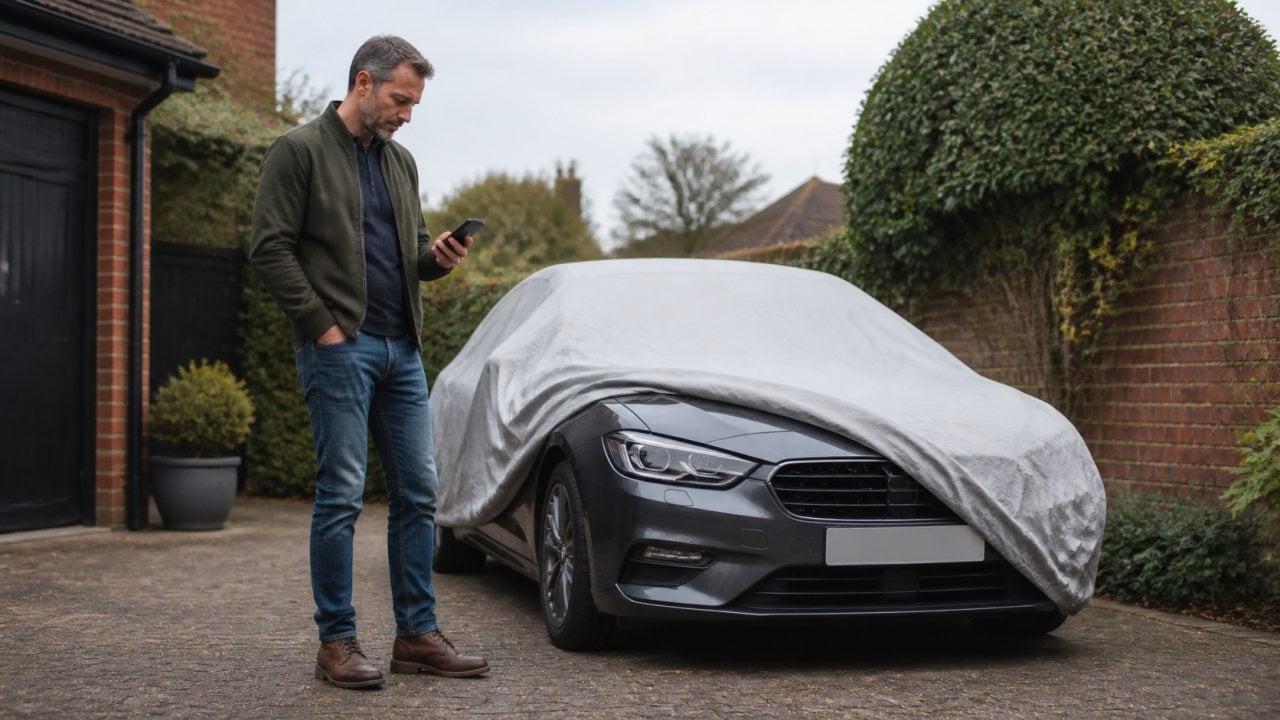
Check a vehicle’s recorded tax or SORN status through the free DVLA vehicle enquiry service. SORN means Statutory Off Road Notification: it records that the vehicle is being kept off the public road. It does not mean the vehicle has been scrapped or is unrepairable.
How to check SORN status
- Enter the registration in DVLA’s vehicle enquiry or our tax status check.
- Confirm that the returned vehicle details match.
- Read the actual status; “untaxed” and “SORN” are not interchangeable.
- If you recently submitted a declaration, keep its confirmation and follow DVLA’s guidance on updates.
Checking a status does not create a SORN. If you need to make one, use the separate official SORN application, which is free. Use the process appropriate to the documents you hold.
Choose the right status for how you keep the car
Swipe or scroll horizontally to see the full table.
| Situation | What to consider |
|---|---|
| Kept on a public road | SORN is not the appropriate basis for parking it there |
| Stored on private land | Make the required declaration if taking it out of the taxed system |
| Buying an already-SORN vehicle | The previous keeper’s SORN does not transfer to you |
| Returning it to use | Tax it and meet insurance, MOT and roadworthiness requirements |
Before putting a vehicle into storage
Choose an off-road location where you have permission to keep it. Record its current condition, secure the keys and documents, and follow the manufacturer’s storage advice. If it is financed or leased, check any contractual insurance or storage requirements before cancelling a policy.
SORN is not theft, fire or damage insurance. Decide whether you want suitable laid-up cover and ask your insurer about cancellation charges and the effect on any policy benefits. A tax saving does not automatically make cancelling every form of cover the right choice.
Keep confirmation and avoid status assumptions
Save the declaration confirmation with your vehicle records. If an application fails or you cannot tell when it takes effect, resolve that with DVLA rather than relying on having started the form. Do not backdate your own paperwork to explain a period without the required status.
A SORN does not need annual renewal. Taxing, selling, permanently exporting or scrapping the vehicle affects its status; follow the relevant official process. See GOV.UK’s SORN rules for the conditions and limited road-use exception.
Buying or selling a SORN car
A SORN status alone is not a reason to reject a car. Ask why it was stored, how long it has been unused and what maintenance is needed before returning it to the road. Inspect the vehicle and compare its MOT history and service evidence.
Agree collection arrangements before paying. A normal test drive or trip home is not covered simply because a seller says “it is only a short distance”. If it cannot lawfully be driven, arrange transport. The buyer must make their own declaration if keeping it off-road or arrange tax before ordinary road use.
Returning to the road
Taxing the vehicle ends its SORN. Before driving, confirm the insurance, MOT where required and present condition. A vehicle that has been unused may need attention even if its last test was satisfactory. Our return-to-road checklist explains the order of checks.
Frequently asked questions
Does untaxed mean SORN?
No. Read the recorded status and complete the appropriate declaration when required. An untaxed vehicle is not automatically declared off-road.
Can I park a SORN car on the street?
No. Keep it off the public road. SORN is not permission to use a public parking space outside your home.
Does SORN transfer when I buy the car?
No. Arrange your own SORN if you will keep it off-road, or tax and meet the other requirements before normal road use.
Does SORN mean the car has been scrapped?
No. It is an off-road notification, separate from destruction or insurance write-off records.