Finding the number of car owners is vital for both buyers and sellers. A car changing multiple hands in a short span is a risky proposition. It could be due to the possible defects in the vehicle. For sellers, the fewer car owners, the higher the price they can demand from the buyer. However, with the help of the vehicle registration number plate, it is possible to find the owner of a car.
Our team will tackle the challenging work for you
To know the number of previous keepers of any car, van or motorbike, you can either check the vehicle’s logbook or run our car owner check, which costs £1.99. Our report will highlight the number of keepers and the dates when the car was registered with the DVLA. It also reveals if the vehicle has changed its number plate and other hidden car history details.
This check is intended to reassure you that the V5 logbook details are accurate; it may reveal another issue if they aren’t. For instance, this might indicate that the car was stolen.
Does a VIN tell you the owner?
The straightforward answer to this question is “No”. However, you can indirectly find the car’s owner if you know the VIN (Vehicle Identification Number). How? You can request the vehicle registration number using VIN. Once you find a car’s registration number, you can know how many previous owners it had by performing a comprehensive car check.
Please note that to find the number of car owners, you must know the registration number. No UK service can tell a car’s owner history by giving its VIN.
Finding the name and address of the owner of a vehicle
Only the DVLA will be able to provide the names or addresses of previous keepers of a vehicle.
- If you cannot access the logbook (V5C document) to check the car’s owner, you can request the DVLA. We have explained the process in a recent blog post, or you can find more on it on the Gov.uk website. You should understand that to check previous owners’ names and addresses through the DVLA, there should be a “reasonable cause” behind it.
- On the other hand, if you have managed to get a copy of the logbook from the seller, you must be able to identify its legitimacy.
- Examine any past receipts left in the car since they frequently contain information on former owners, including names and addresses. Verify if the dates match.
- Beware of old and fake logbooks; many circulating in the market here.
- Fill out form V888 through the DVLA.
The question is, how would you know if a vehicle’s logbook is genuine? We have written a detailed guide on How to Analyse if a v5c Logbook Is Original?
How many previous owners from the past are too many?
The age of the car is a crucial factor here. For instance, a “classic ” vehicle that is 25 years old is likely to have a higher number of keepers than one that is only 3 years old. Typically, a car owner in the UK keeps their vehicle for 6 years, on average. But this is only a hint.
Does V5C show previous owners?
Yes, it does. The V5C or logbook mentions the current owner’s details and the previous owner’s info, and that’s it. If you are also interested in knowing other owners, contact the DVLA. They may entertain your request if you have a reasonable cause. However, finding out about earlier car keepers through DVLA can be challenging.
They do not consider if you tell them you want to buy the car or if the vehicle was registered with a taxi company.
Our car owner checks and fetches data directly from the DVLA, so you can be sure the information is 100% accurate. The report will tell you the total number of keepers the car has had. However, you must learn about the current owner registered with the DVLA.
As we said earlier, the current owner’s details are only available in the logbook, and there is no such thing as a free car owner check. This is a premium service and every car data history provider charges for this info.
What constitutes excellent practice about previous owners?
Purchasing an exact vehicle and a good bargain requires more than just that. It’s also a good idea to consider the vehicle’s value when you want to sell it and any challenges you could have if you sell it soon for anything close to genuine market value.
One of the factors that prospective car buyers consider is the number of previous owners. According to our comprehensive vehicle history check, testing, and observations, a vehicle with more than four previous owners will likely be challenging to sell.
We advise using a minimum of two previous owners when performing a vehicle owner check. Of course, there are different variables, including the vehicle’s age, mileage, condition, service history, and whether it has been through ownership changes within the same family. However, a decent general guideline is to be the fourth owner.
Can I change ownership of a vehicle online at DVLA?
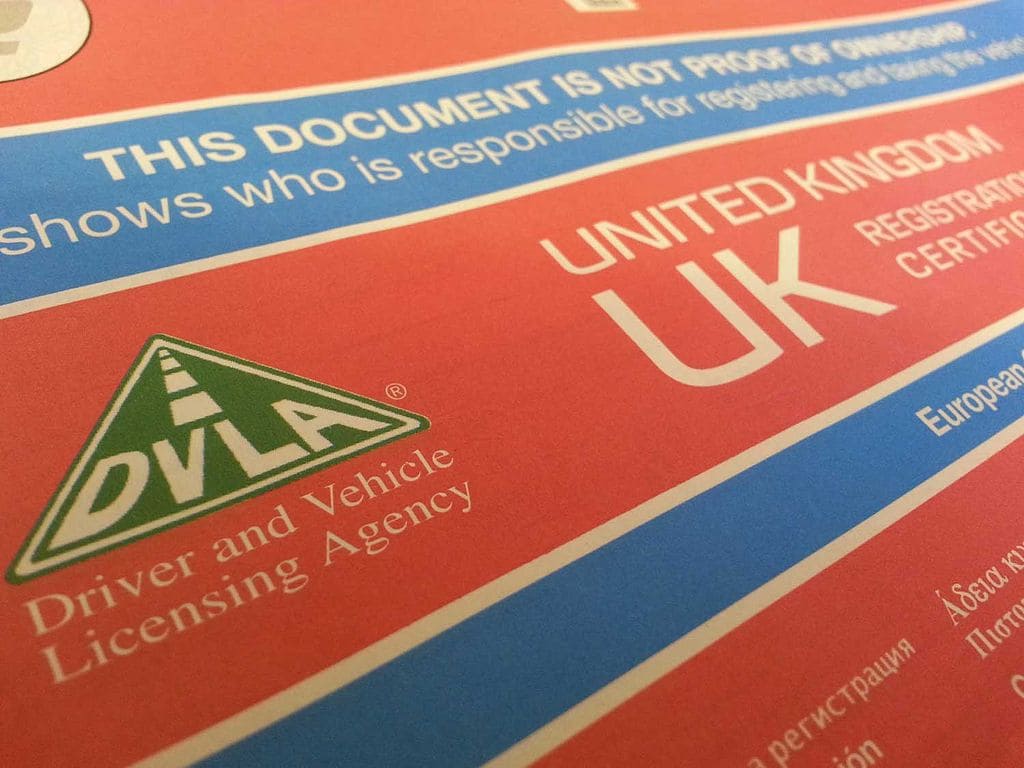
Yes, you can! When a car is registered, the DVLA issues a V5C document against it, and when it changes ownership, this V5C should be sent to the DVLA to get the new document.
The good news is the online change of ownership facility has discarded the lengthy paperwork. You must fill out this form on the DVLA website. Provide the new owner details and the 11-digit reference number from the vehicle’s V5C.
Once you submit the form, you will get an email verifying that your application for a new V5C has been received. If you provide the new owner’s email ID in the form, they will also get an email confirmation. You should get the new V5C document within five working days. If you do not, you should contact the support team.
Steps to find the owner of a car
Here are the steps to find the number of owners of a car using the vehicle registration number plate:
- Gather Information: The first step is to gather information about the vehicle. You’ll need the car reg number plate, make, model, and colour.
- Check Online: Several online resources can help you find the number of car owners. We provide a simple and easy way to find the number of vehicle owners using the VIN in less than 60 sec. Enter the information about the car, and you will be provided with the owner’s history details.
- Contact the DVLA: Another option is to contact the Driver and Vehicle Licensing Agency (DVLA) in the UK. You can get the DVLA; they can provide the owner’s details if registered.
Conclusion
How many hands a vehicle has changed is crucial in determining different aspects of its lifecycle. Try our car owner history check to know how many owners your car has had. We guarantee the authenticity of our data, as we get it directly from the DVLA. Once you receive our info, cross-check it with the details in the logbook. Buy your next car, scooter, or van with complete peace of mind!
Answering your questions
Is the information provided in the ownership history report confidential?
Yes, the ownership history report of a car is considered confidential and should be treated as sensitive information. Make sure to use reputable services that have secure data handling practices to ensure your personal and vehicle information remains protected.
Are online vehicle history check services reliable for finding the car’s previous owners?
Many online vehicle history check services are reliable and can provide accurate information about a car’s ownership history. Choosing reputable platforms that source data from official databases and other trusted sources is crucial. Before using any service, it’s a good idea to read reviews and verify their credibility to ensure the information you receive is dependable.