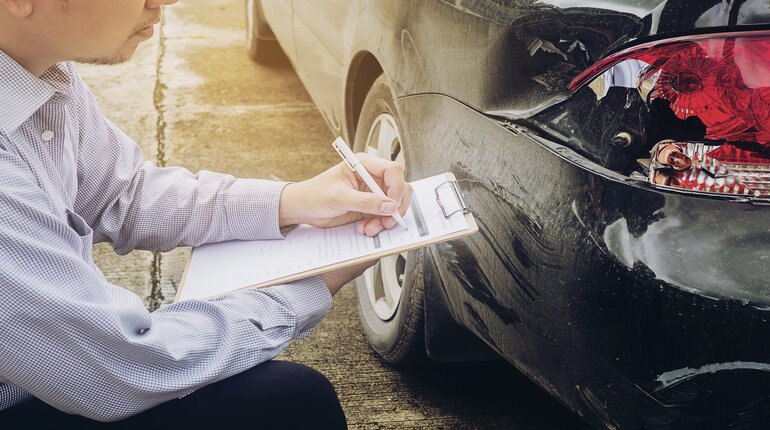
A car accident check includes inspecting the vehicles involved, documenting damages, evaluating injuries, and gathering necessary information for insurance claims or legal purposes.
Car Analytics offers the cheapest car data checks in the UK, allowing anyone to determine whether a vehicle has a recorded accident history instantly.
When purchasing a used car in the UK, there are several considerations to make, but sadly, every dealer or individual seller is truthful about their vehicle. How can you determine whether a car has been in an accident? Can you accomplish it online, or do you require assistance? We attempted to address all of your concerns about the impact of an accident on used vehicles.
Deciding whether the vehicle is an accident-free used car is crucial. Even minor damage like an accident while parking the vehicle or cosmetic defects is also considered damage. But fear not; there are more ways to check for vehicle accidents for free. In this article, we’ll go through each so that you can make an excellent decision when buying your next used car.
Crucial Information About Car Accident Check. Here are the primary signs to tell the car has previously been in an accident.
1. Car color:
Watch closely to know if there are any paint colour variations. There is a chance of repainting to hide the scratches, dents, and rust. Ensure no paint splashes are visible on the car.
2. Test drive:
Even if you look at an accident-free vehicle, confirm it by taking the car for a test drive. The indications are like the car door closing without noise or effort. If it is, then either it is warped or replaced. Also, pay attention to steering behaviour.
3. Tyres:
Tyre treads are worn on one side or other and require replacing or adjustments due to accidents. Check the framework surrounding the tyres.
4. Welding marks:
It is obvious to guess the welding marks on accident cars. It’s better to watch the internal and external parts of the vehicle to see the welding marks because of the accident.
5. Car accident check online:
In general, however, Crucial Information About Car Accident Check holds: Fraud occurs when a vendor hides the fact that a car has been in an accident. It becomes terrible, however, if the vehicle has had multiple previous owners and the present owner is unaware that the car was involved in an accident. This is why you should examine again to check for any signs pointing to an accident on the vehicle by car spec check.
Benefits of performing a car accident check
These advantages include saving money on potential repairs, avoiding scams, and ensuring you buy a safe and reliable vehicle. Performing a car accident check in the UK can save you from future troubles and provide a safer purchase. Here are a few benefits:
- Mileage Check:
- Verify the actual miles driven to avoid odometer fraud.
- Prevent overpaying for a high-mileage vehicle.
- Ensure your car’s value aligns with its mileage.
- Vehicle History Check:
- Uncover past accidents and repairs.
- Identify any outstanding finance or loans on the vehicle.
- Confirm if it’s stolen, written off, or has a suspicious history.
- Gain peace of mind about the car’s overall condition and reliability.
How to perform a car accident check?
Performing a car accident check in the UK is simple:
- Get the Vehicle’s Registration Number: You’ll need this to access the vehicle’s history.
- Use Online Services: Many online platforms and government websites offer vehicle history checks. Enter the reg number, and they’ll provide accident information.
- Check the MOT History: You can also verify the car’s MOT history online to see if it’s been in any accidents.
It has become more accessible with online platforms and vehicle history report services. Most platforms only require the Vehicle Identification Number (VIN) to generate a comprehensive report. The VIN is a unique code on the car’s dashboard or registration documents. Enter the VIN on the platform, and you’ll receive a detailed accident history report within seconds.
This process is invaluable for individuals seeking reassurance when purchasing used cars, especially for those who are looking for used cars battle creek.
How to check for accident car history?
Vehicle inspections determine if the vehicle has been in an accident.
If your car is damaged, contact your insurer and the repair shop first. When you request a claim for a vehicle accident, they will examine your vehicle for damage, repair costs, and resale worth.
You can locate the car is no longer helpful or is intended for scrap or salvage parts in categories A or B. And damaged vehicles with adequate repair and replacement that arrive on UK roads are classified as S and N. The MIAFTR check normally segregates the vehicle status as damaged.
Is it easy to insure the accident vehicle?
Insurance is to protect when the vehicle gets into damage through money. However, the insurer might hesitate to cover the car with previous damage, as the vehicle may not satisfy the worthiness or can have difficulty meeting legal standards. The advice is not to buy the written-off car, but if you’re attracted to the “price,” be ready to face the consequences.
Is a car worth less after an accident?
To answer this question, ask another: “How much repair work did my car need?”
Suppose you’ve experienced a minor collision resulting in surface-level damage and the repair of one or two panels. In that case, it is improbable to be deemed substantial and should not impact the vehicle’s value. However, suppose your insurance provider considers the damage significant (e.g., the repair costs exceed their willingness to pay). In that case, the vehicle will likely be categorised as a total loss, and a notation will be added to its record. Fleet car owners might opt to sell the vehicle as damaged from an accident rather than filing a claim for repairs through their insurer.
Answering Your Questions:
Can I check a car accident on a vehicle without its registration number?
No, you generally need the vehicle’s registration number for a car accident check. This number is crucial for accessing the vehicle’s history and accident records.
How recent should the accident information be in a car history report?
The recency of accident information in a car history report can vary. Ideally, it should include the most recent accidents, typically within the past five years. However, older accidents may also be relevant, especially if they result in structural damage or other issues affecting the car’s safety and value.
Should a dealer or seller report an accident on a vehicle?
Yes, both dealers and private sellers should ethically and legally report any accidents a vehicle has been involved in to potential buyers. Failing to disclose this information can lead to legal consequences and negatively impact a seller’s reputation.
Does a car that has been damaged by a previous owner still be insured?
However, insurance companies will likely consider the car’s history and any evidence of previously written-off vehicles. The insurance company may be even more cautious if they know the car has sustained considerable damage. In such cases, they may require formal documentation or photographs of repairs and third-party assessment reports detailing the car’s roadworthiness. Ultimately, insurance companies will have to decide on a case-by-case basis whether or not they should insure a damaged vehicle. Still, if done carefully, You have the best option to buy insurance for your previously damaged car.